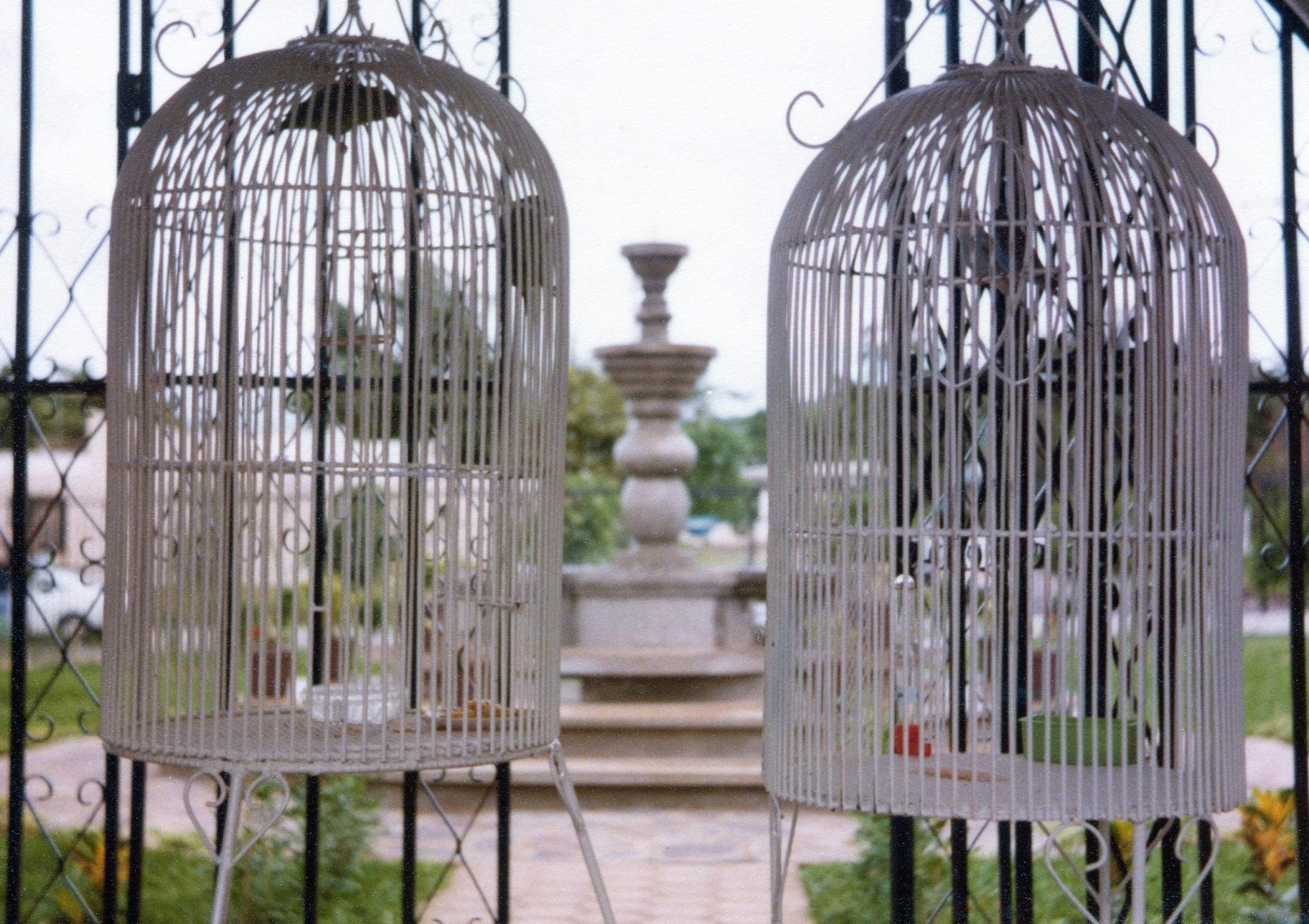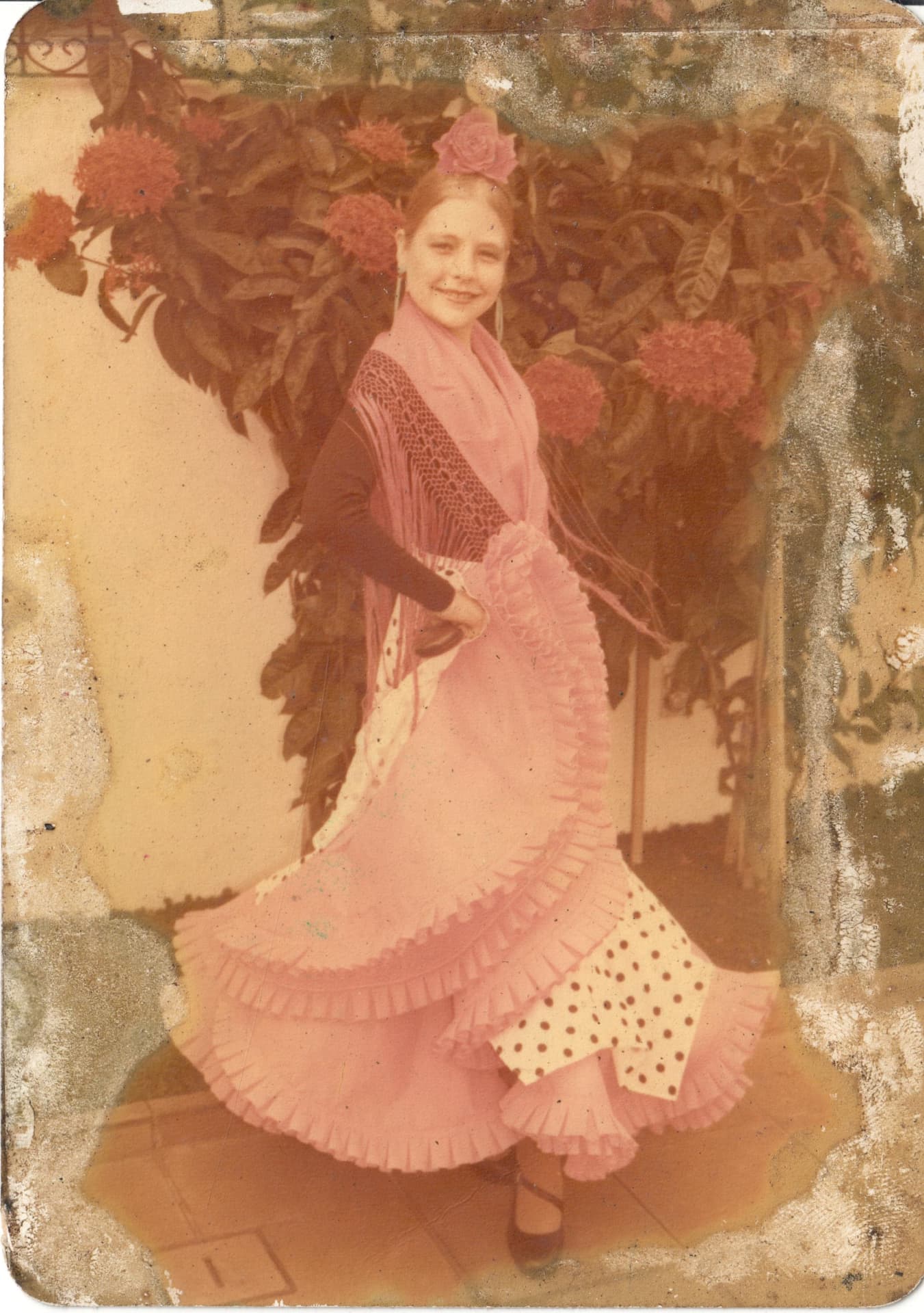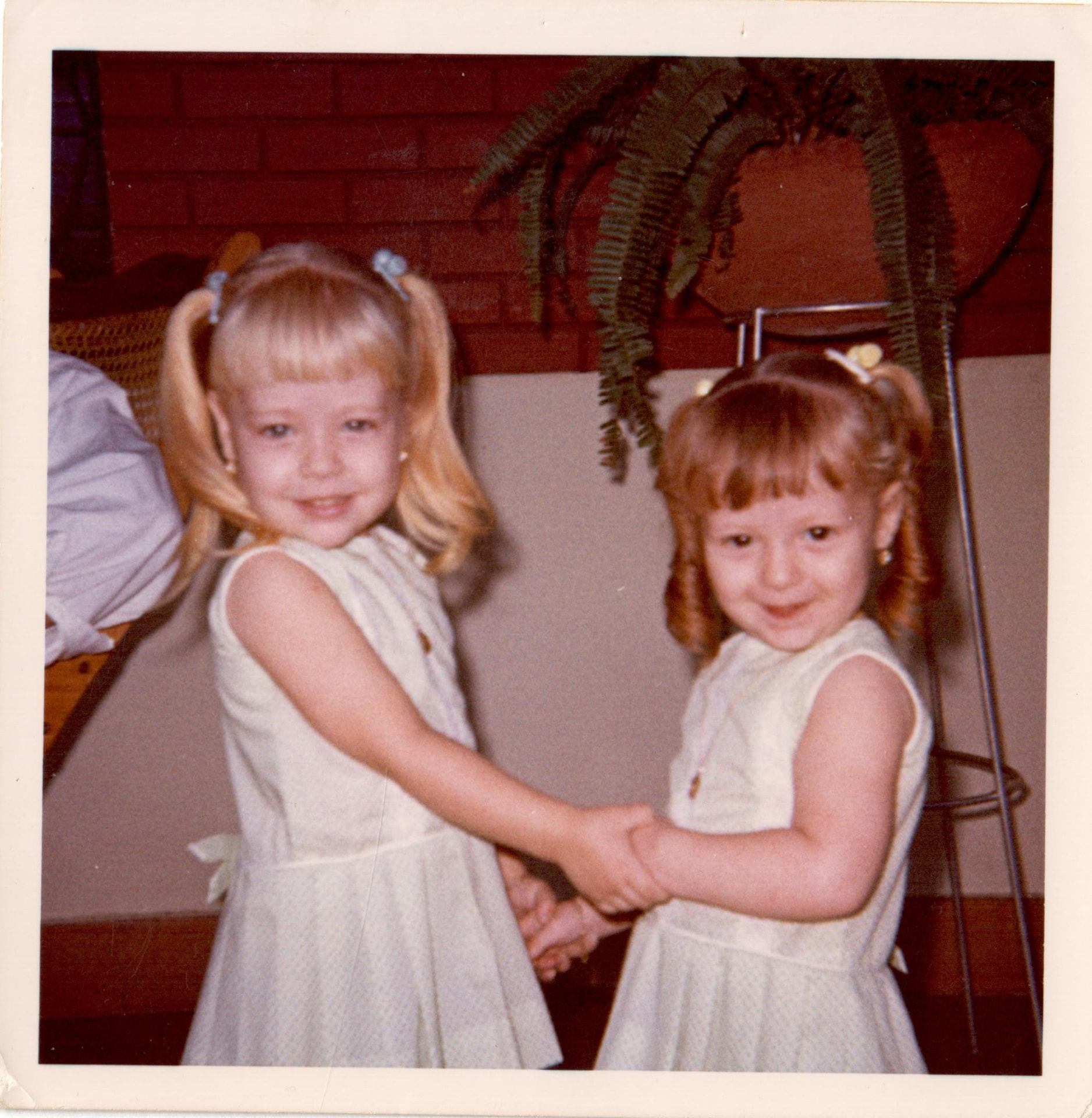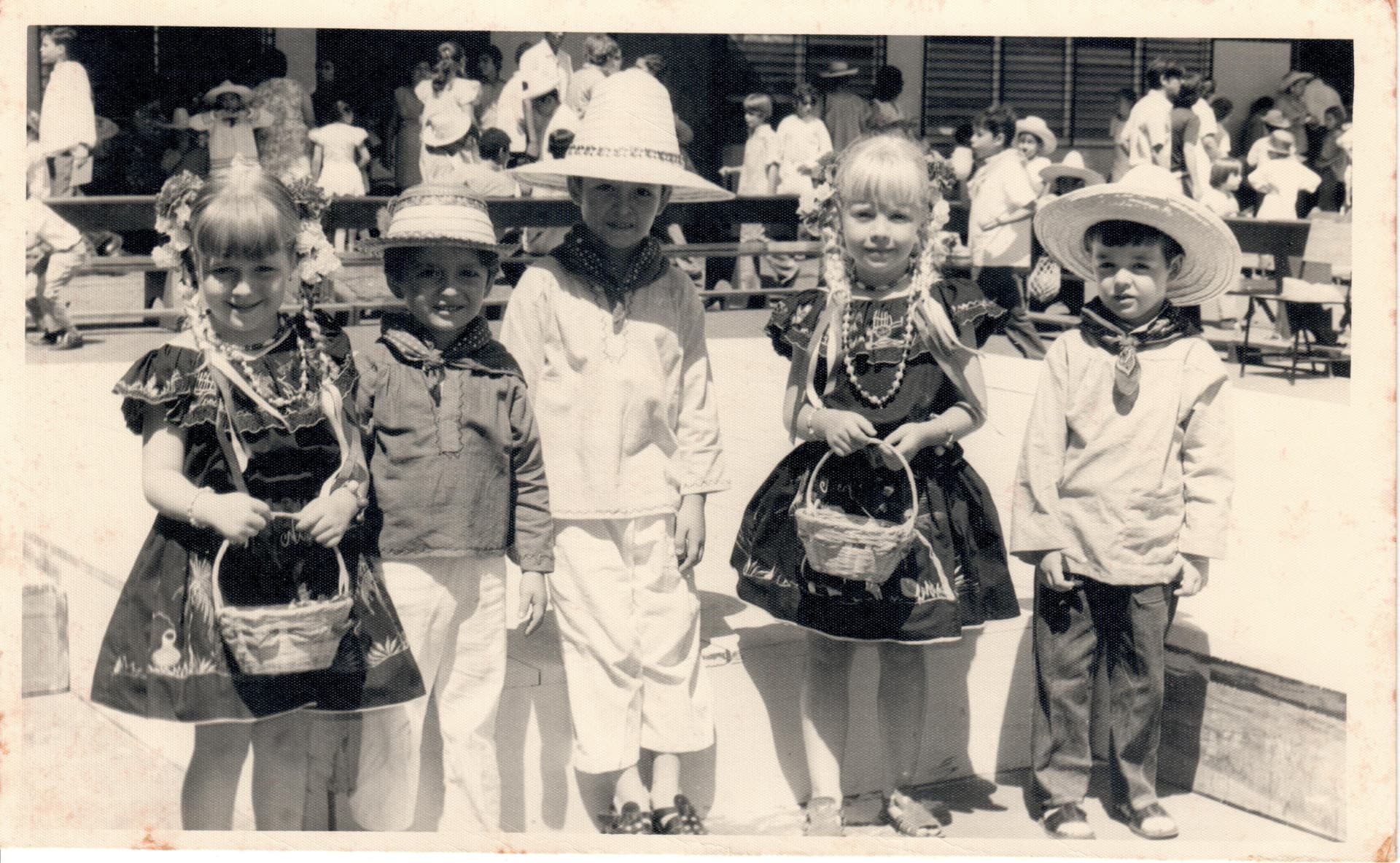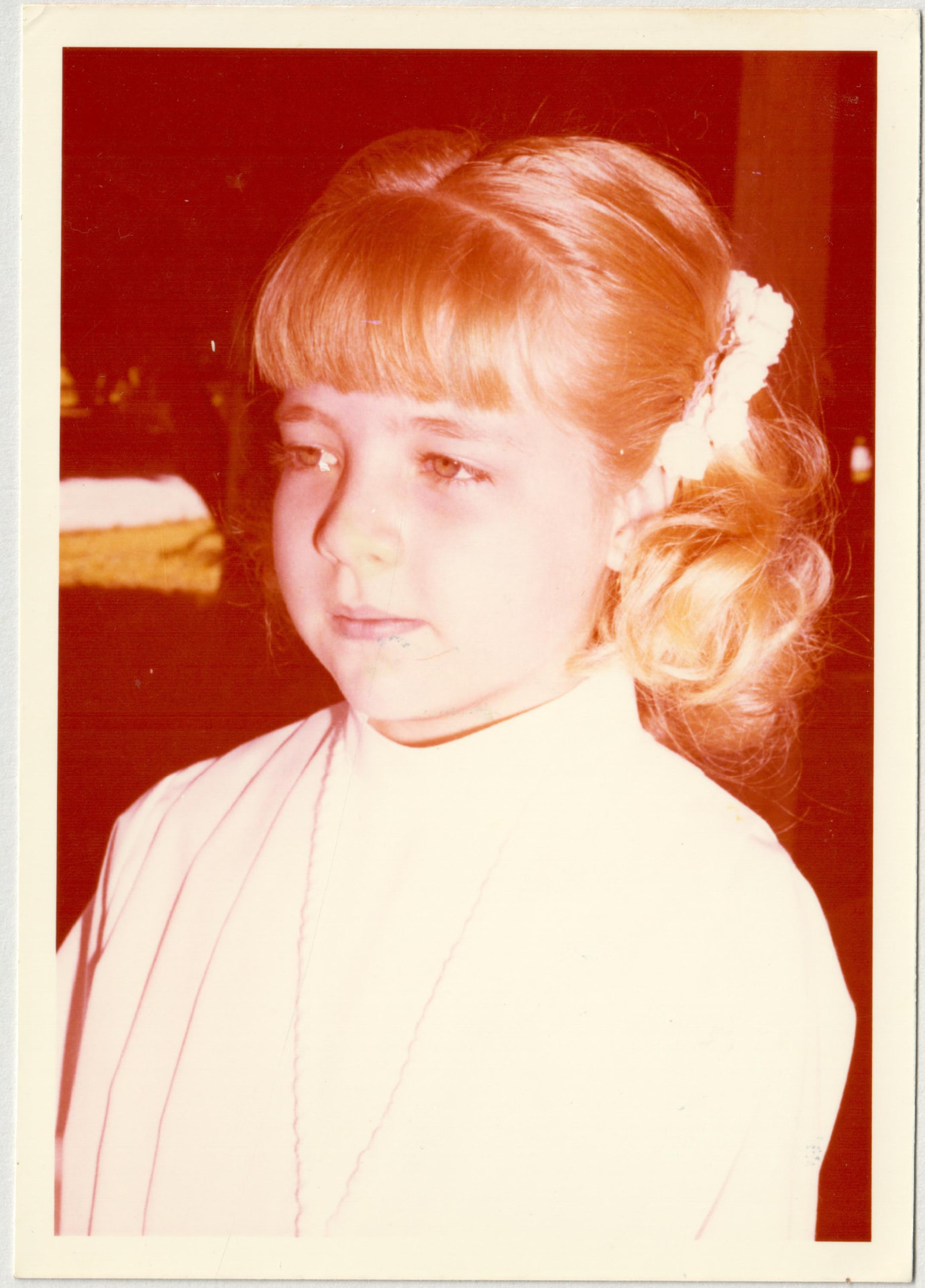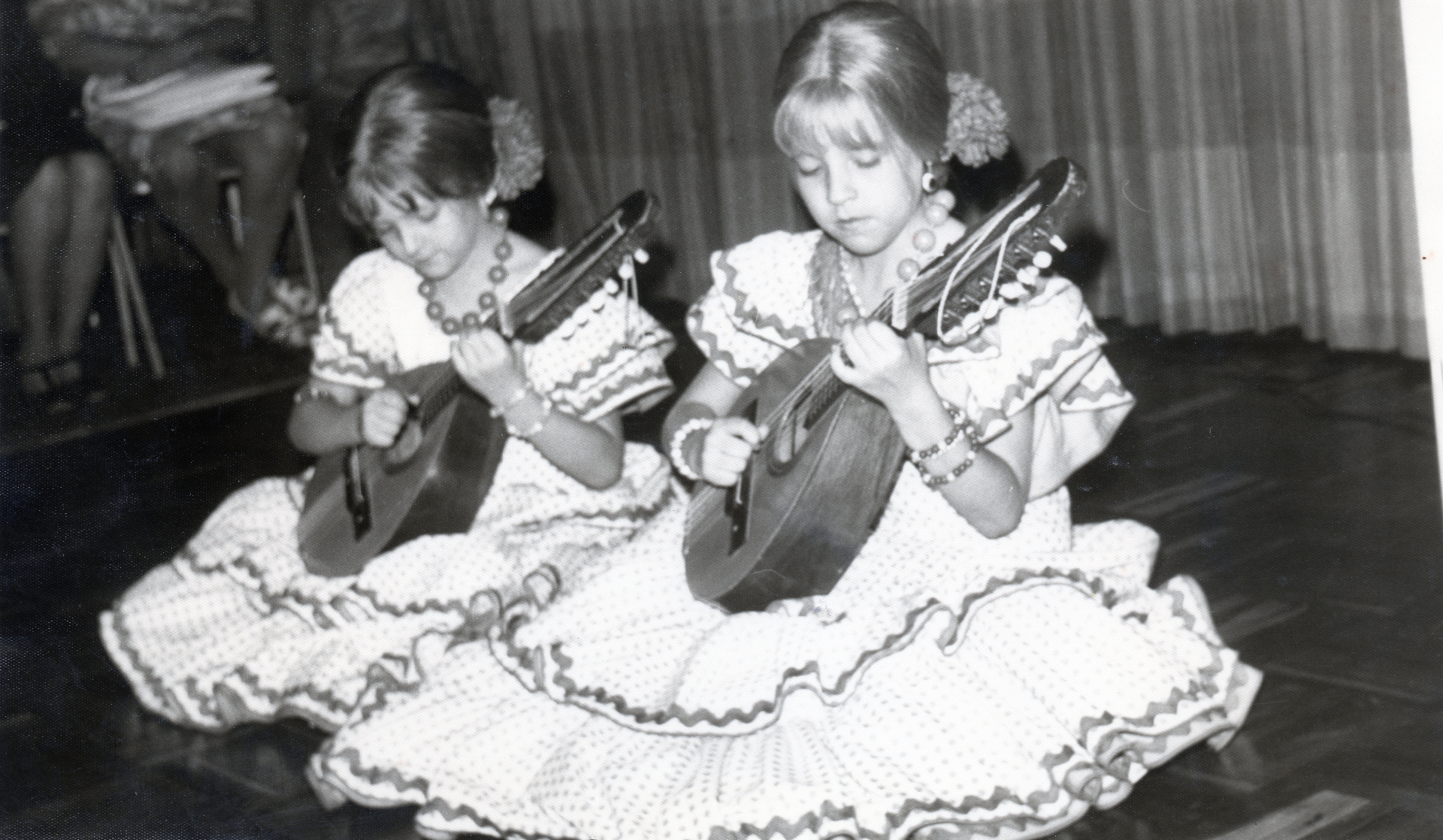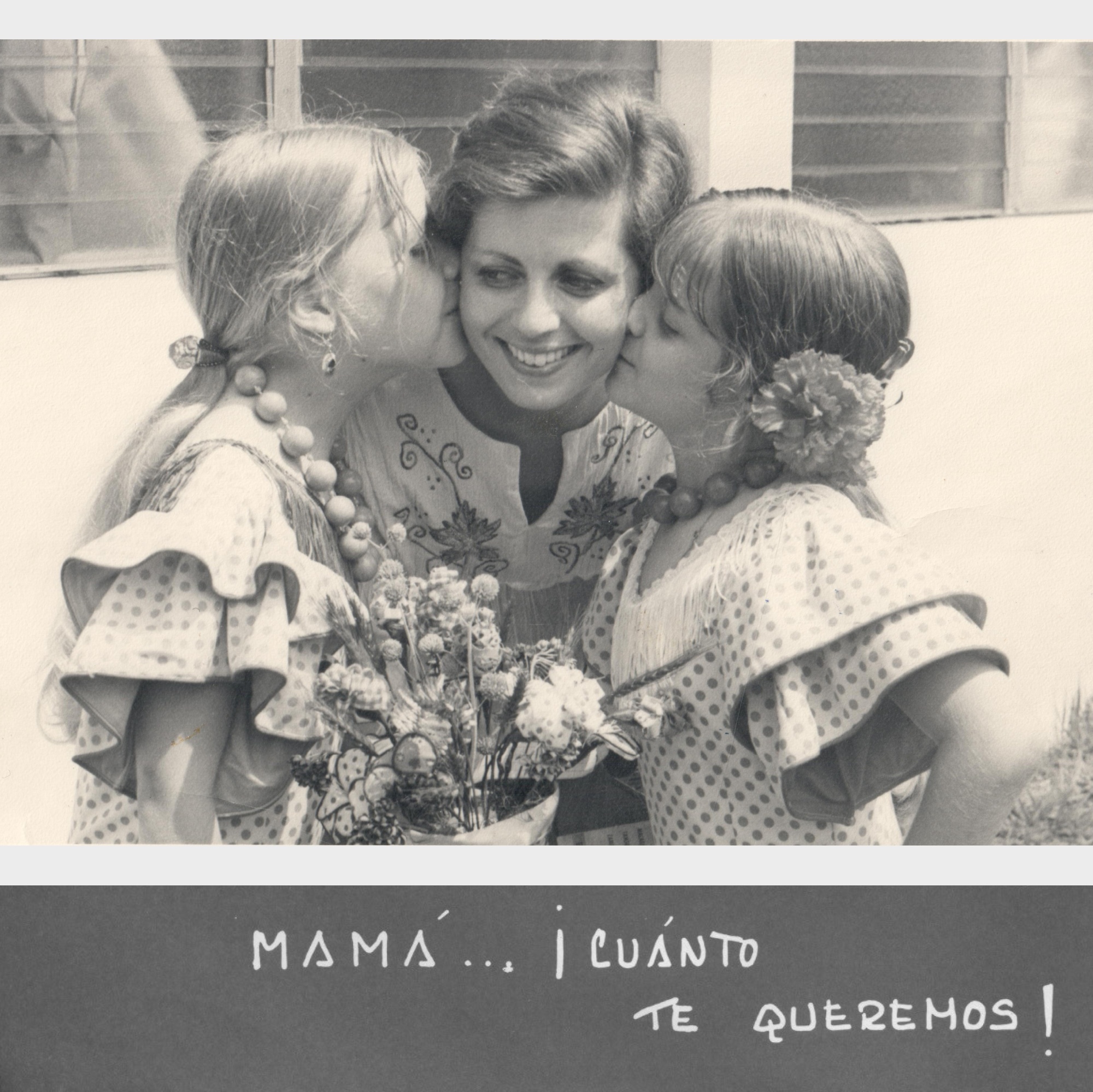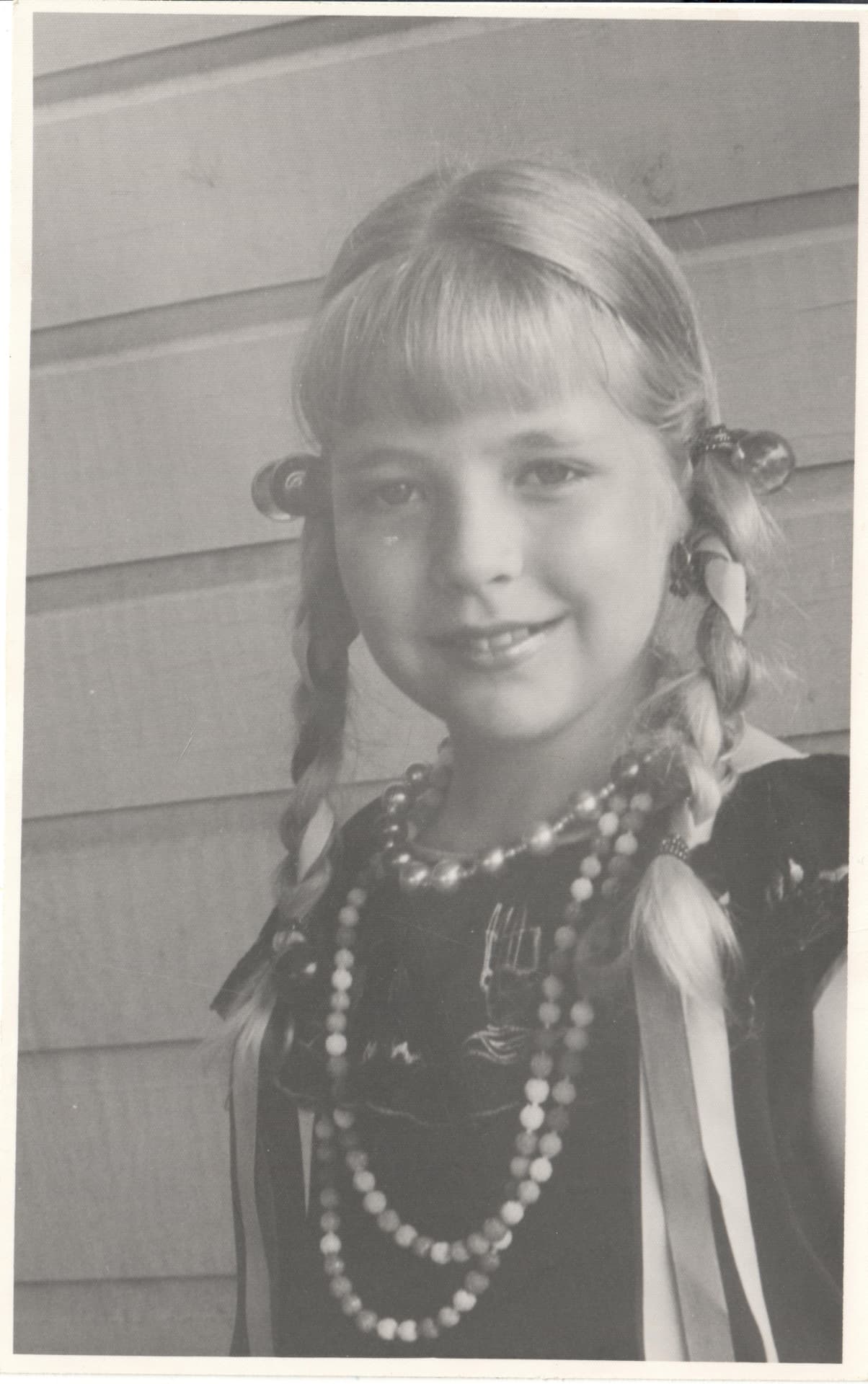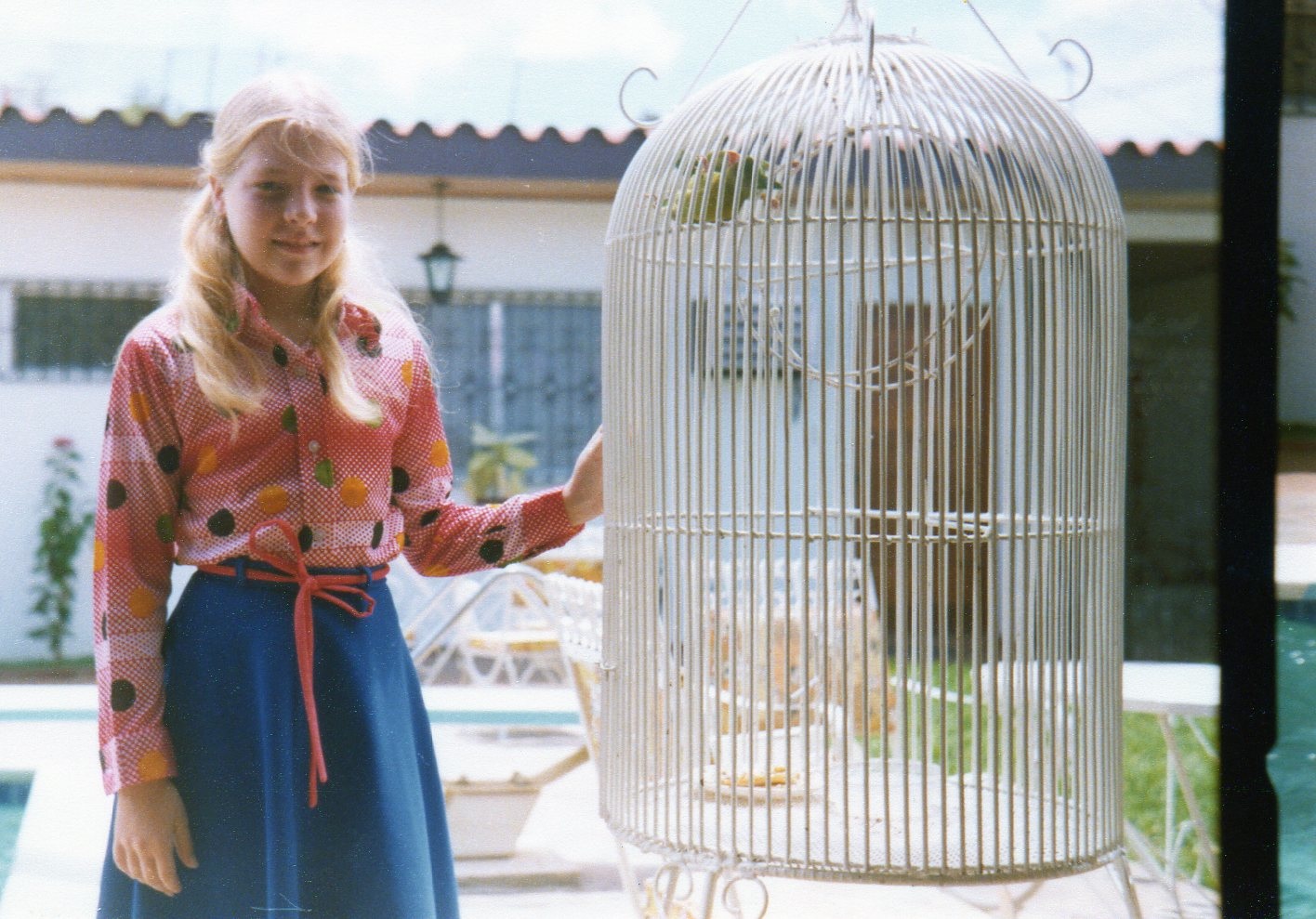
I am a criolla, a Spaniard born in Ibero-American land. It took me a long time to come to terms with my identity, often different from that of those around me. I was born to a family of privilege, in a country where poverty and injustice were my neighbors. I knew just a few of them by name. Most were the nameless faces I saw from behind the tall, wrought-iron fence of my house, the thousand faces of naked children begging for food—their bellies deceitfully full, feeding dirt and disease—and the faces I never got to see, their little eyes shut to this light. From time to time, I would catch a glimpse of them in hiding, taking one last ride on their parents' shoulders, all their beauty locked away in white wooden boxes—tiny boxes in silence calling me from behind the glass of the van, the veiled faces of lifeless children born on the other side of the fence.
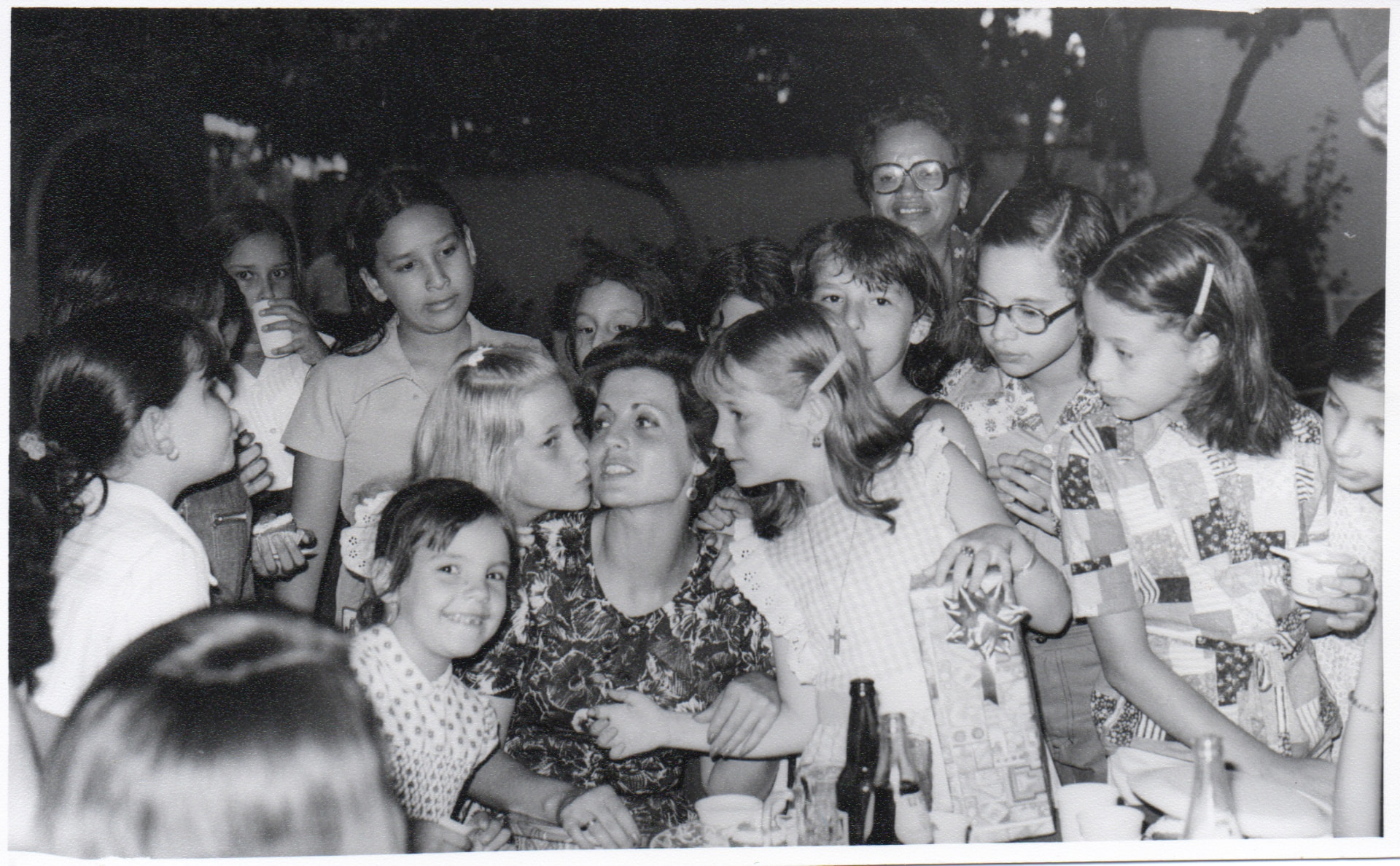
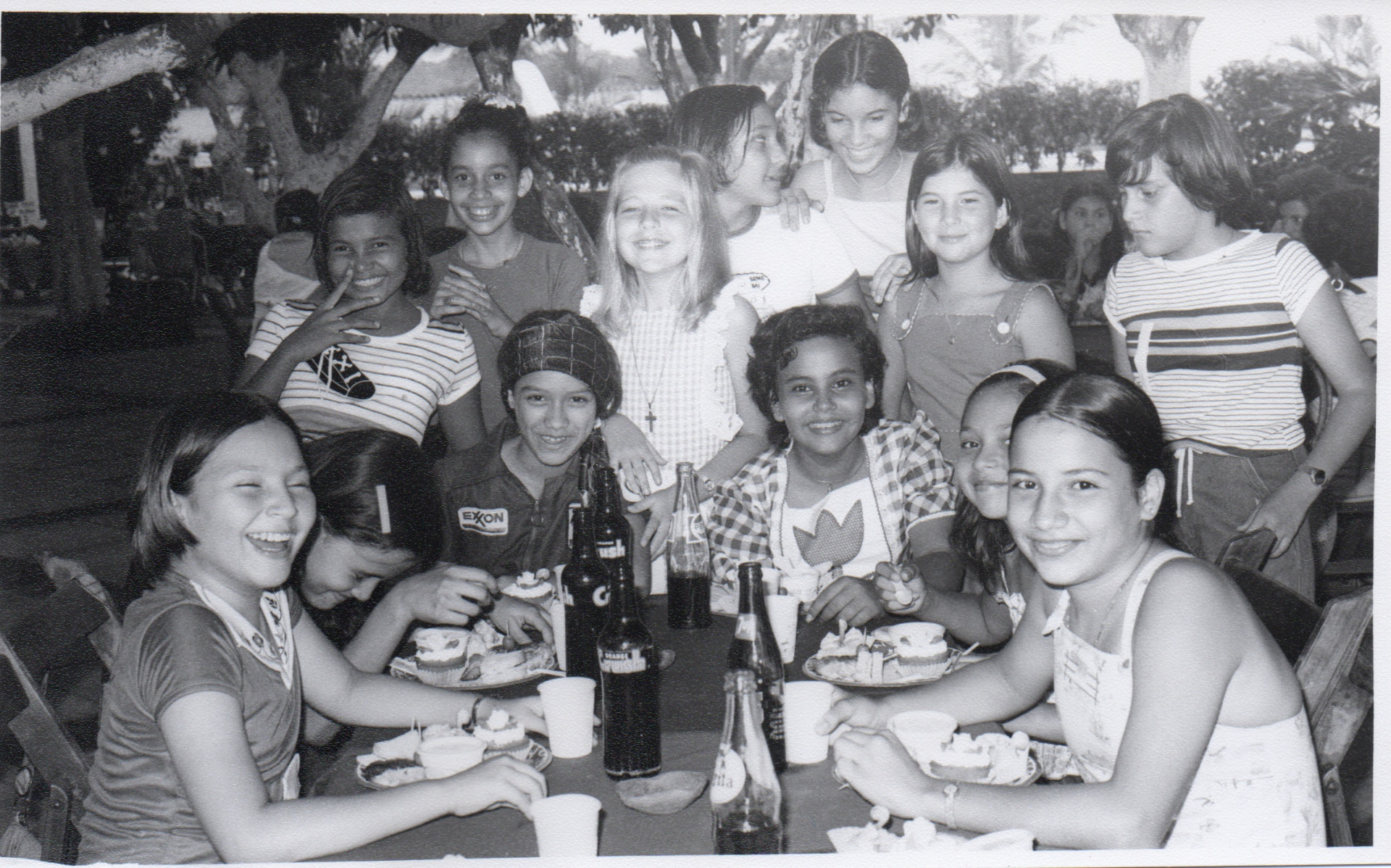
"A lot has rained since then"—as we say in Spanish—but, as I pause to think about the mystery of life, I remember. I remember Asunción, a girl in elementary school who had to save up for an entire year so she could buy a new pair of shoes. What she said was so incomprehensible to me that I remember asking my mother. The youngest of eight children born to a humble police officer and a portera—the doorkeeper in charge of the building where they all lived in a small apartment in post-Civil War Spain—my mother did her best to explain class disparity. I thank mami for always inviting Asunción and all my classmates to our birthday parties. It was not always so in a society of "colonias" (lit., "colonies," i.e., neighborhoods). Some girls were raised with an image of racial and socioeconomic superiority—relatives of government officials, industrialists, and other professionals also living in brick houses with housemaids (i.e., maidservants).
Asunción was one of the fortunate ones. A scholarship allowed her to go to a top-tier school just like every other girl I knew, just like every other girl should. That was not the case with Nanci and Melea, two sisters who worked in my house helping with cooking and cleaning and, most importantly, taking care of us on our way to school or anywhere else when mami could not go because she was looking after the little ones.
I thank God for that... as our chauffeur once asked me—How dare he!—why my mom would never let us ride alone in the van without one of the girls. I must have been about twelve (I did not understand it then), but the way he looked at me—that smile—made me feel extremely uncomfortable—the real and often neglected danger of men posing as family, as trusted care.
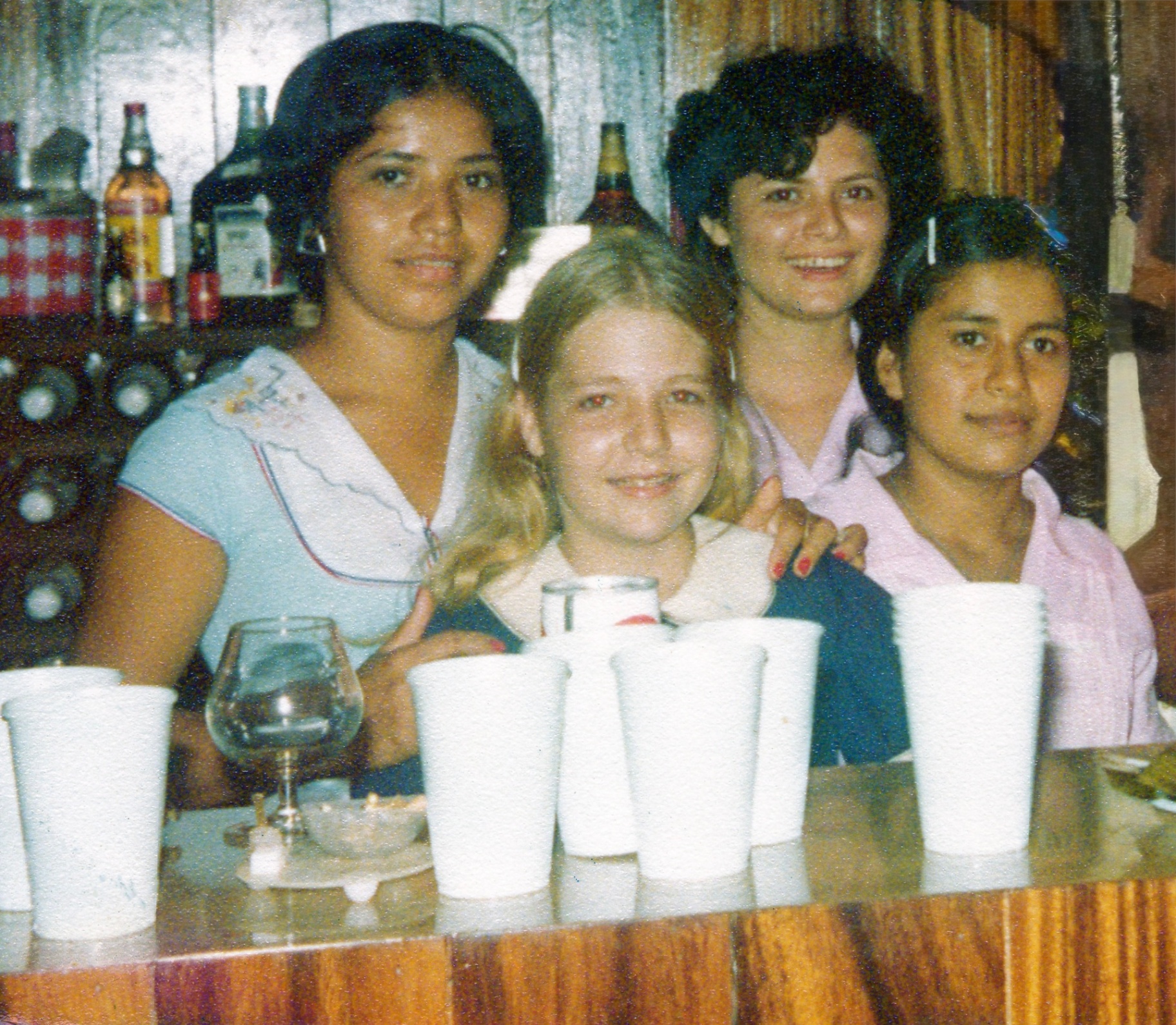
I have fond memories of Melea y Nanci (y de las otras muchachas también, and of the other girls too) because they felt like family to us. During the last year we lived in Nicaragua, we all prayed the rosary together at the end of the day. La Melita—as we used to call her—pampered me to no end. She must have been only about three years older than I was, and I know that she loved us too. I wonder where she is now; the children she had. Did she find someone to love her, respect her, and care for her well-being? Is she, still, taking care of another family's children, cleaning a house that is not hers, shielding herself from unwanted sexual advances alone, now that mamá is not there to protect her?
On a long-distance call, Nanci, Melita's older sister, spoke with my mother when our house was being looted and—bless her heart—asked permission to take our beds. I hope they still have them (I wish they would have kept it all), but, above all, I hope they remember how much we loved them, especially how much mami loved them, teaching them not only to sew and to cook, but also to read and to go to school, and encouraging them to never let any scumbag take advantage of them.
THIS I BELIEVE. I believe that all women are vessels of grace. In the Beginning—trapped in time—a long chain of oppressive sexual scripts pulsated through our veins, time and time again hindering our free-flowing, life-giving nature. Even before we took our first breath, the heavy weight of those scripts began to rust our very core, intercepting, confusing, and defiling our sacred connection with ourselves and with the Divine. Encaged within our own vessels and turned upside down by a mechanism of social control claiming omnipotence, our true personal and collective liberation remains a distant reality.
To change these patriarchal hierarchies—i.e., women's prescribed self-effacement as virtue—we must start at the Beginning: becoming conscious of our own internalized oppression. Only then will we find the courage to sever ties tethering us to a "decapitated" past (Hélène Cixous) and reclaim our God-given right to be acting subjects, leading protagonists of our lives. For this, we must look critically at history in general and at our own intrahistoria in particular. Pause to reflect. Read and question. Reflect. See.
Our critical lens of analysis must be the liberation of all (Ada María Isasi-Díaz, Mujerista Theology). By blindly accepting patriarchal scripts that demand we obediently conform to The Perfect Wife (Fray Luis de León, 1583; Marry Him and Be Submissive, 2013), we reinforce the mortal structural sin at the heart of our Latinx culture. Cloaked in pseudo-sacramental secrecy, this deeply rooted bondage is a historical impunity shrouding silenced screams, binding us, our full grace spilling over into the extreme horror of rampant feminicide.
The absence of knowledge—and of knowledge that is freely questioned by reason—is slavery. Therefore, books (all books) and schools (all schools) should be fully accessible to all. I believe that I have been called to open those wrought-iron gates and let the light in. Free. At last.

From "the Other" I am: To all women, vessels of grace. [This I Believe], written in English and self-translated into Spanish by María Luisa Ortega Hernández, PhD, 15 August 2013; updated 4 July 2026. © Chicago, Illinois, United States of America.